Retaining Walls & Concrete Masonry
Control slopes, prevent erosion, and create functional outdoor spaces with professionally built retaining walls.
Why Properties Need Retaining Walls
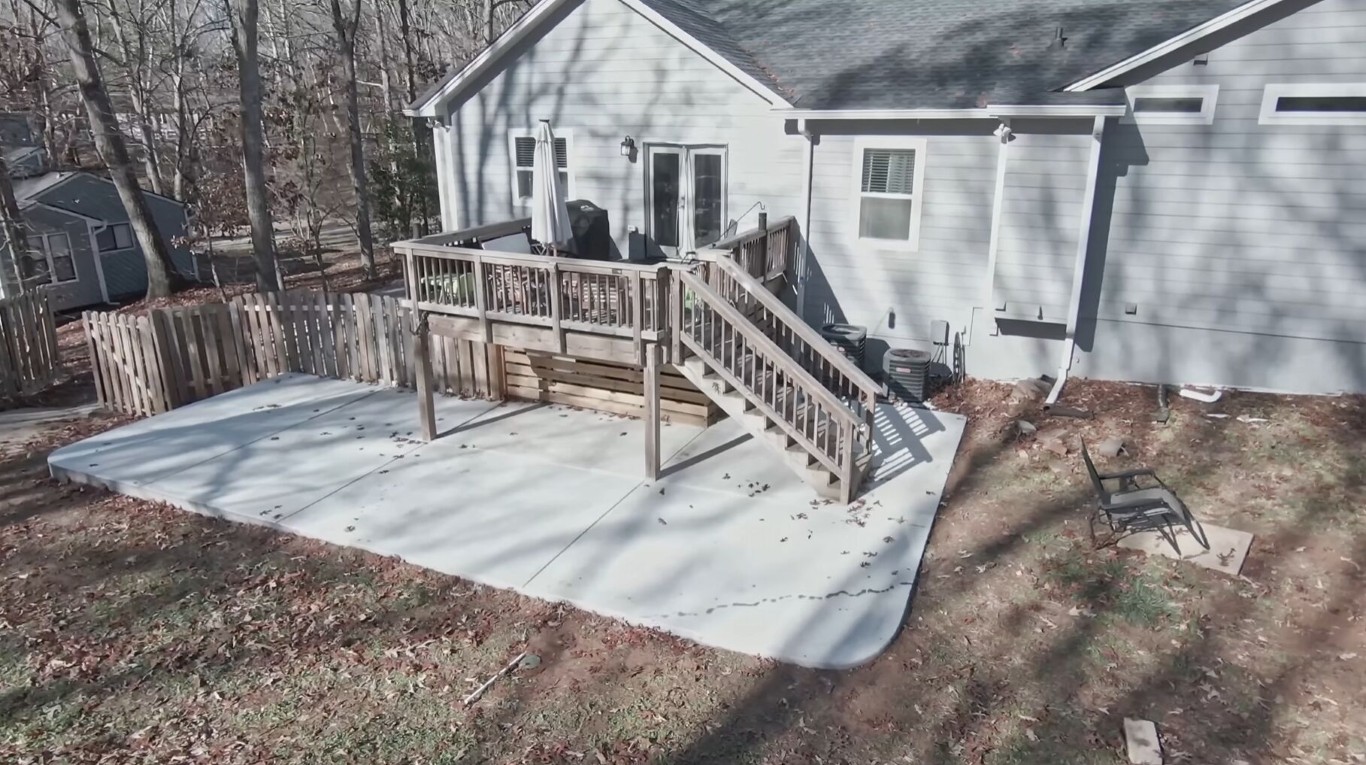
Retaining walls serve essential functions beyond their attractive appearance. They hold back soil on slopes, preventing erosion and land movement. They create level areas on sloped properties where you can build patios, install pools, or simply have usable yard space. They protect foundations from soil pressure and water damage. They define property boundaries and create terraced landscapes that add visual interest and value to your property.
Many properties in Plantation and throughout South Florida have grade changes that benefit from retaining walls. Maybe your yard slopes toward your house, creating drainage concerns. Perhaps you want to add a patio but the terrain is too steep. You might have erosion washing soil into landscaping or driveways. Retaining walls solve these problems while enhancing your property's appearance and functionality. The investment pays dividends through expanded usable space and protection of your property.
Properly designed and built retaining walls last for decades with minimal maintenance. They withstand the forces of soil pressure, water infiltration, and weather exposure. Poor quality walls fail within years through cracking, tilting, or complete collapse. This is why professional design and installation matter so much. We engineer retaining walls to handle the specific conditions on your property. Our experience with local soil types and drainage patterns ensures walls that perform reliably for the long term, similar to the quality standards we bring to all our concrete services.
Retaining Wall Options for Your Property
Poured Concrete Retaining Walls
Poured concrete walls offer maximum strength and design flexibility. We build forms to the desired shape, add reinforcement, and pour concrete to create solid, monolithic walls. These walls handle heavy loads and can be finished with various textures or coatings. They work particularly well for tall walls or areas with high soil pressure. The smooth surface can be left natural, painted, or covered with stone veneer for enhanced appearance.
Concrete Block Retaining Walls
Concrete masonry units provide a cost-effective retaining wall solution for many applications. These engineered blocks interlock and can be reinforced with steel and concrete fill. Modern retaining wall blocks come in various colors, textures, and sizes that create attractive finished walls. They install faster than poured concrete and offer good performance for walls up to moderate heights. Many homeowners prefer the textured appearance of quality retaining wall blocks.
Segmental Retaining Walls
These specialized concrete units are designed specifically for retaining wall applications. They feature interlocking designs that create stable walls without mortar. The setback angle is built into the units for proper stability. Segmental walls work well for curved designs and tiered installations. They combine structural performance with aesthetic appeal, making them popular for residential landscaping projects.
Cantilever and Gravity Walls
For taller walls or heavy load situations, engineered cantilever or gravity wall designs provide maximum strength. These walls use extensive reinforcement and deep footings to resist overturning forces. They require professional engineering and precise construction but deliver performance that simpler walls cannot match. We work with structural engineers when needed to design walls that meet specific load requirements and building codes.
Engineering Walls That Last
Retaining wall design involves more than stacking blocks or pouring concrete. The wall must resist several forces including soil pressure, water pressure, and its own weight. Here are the critical factors we address in every retaining wall project:
- Soil analysis: Understanding your soil type helps us determine the pressure the wall must resist. Clay soils expand when wet and create higher pressure than sandy soils.
- Wall height and length: Taller walls face exponentially greater forces. Walls over 4 feet typically require engineering and permits.
- Drainage design: Water buildup behind retaining walls creates excessive pressure that can cause failure. We install drainage systems that remove water effectively.
- Foundation design: The footing must be deep enough and wide enough to support the wall without settling. Depth depends on wall height and soil conditions.
- Reinforcement: Steel reinforcement resists tension forces that concrete alone cannot handle. Proper placement and sizing are critical.
- Batter or setback: Most retaining walls lean slightly into the soil they retain. This angle improves stability and reduces pressure on the wall.
- Geogrid reinforcement: For tall walls, we may install geogrid fabric that extends into the retained soil to create a reinforced soil mass.
These engineering principles apply whether we are building a small garden wall or a major structural wall. We never take shortcuts with retaining wall construction because failure can be catastrophic and expensive to repair.
How We Build Retaining Walls Right
Quality retaining wall construction requires careful attention to every step. We start with thorough site evaluation to understand soil conditions, existing drainage patterns, and any challenges we need to address. The building process follows proven methods that ensure long-term performance. Excavation must reach stable soil and provide room for the wall, drainage system, and backfill. The foundation must be level and properly compacted.
Drainage is absolutely critical for retaining wall success. We install drainage pipe behind the wall at the footing level to collect and remove water. A gravel backfill layer allows water to percolate down to the drain rather than building up pressure behind the wall. For some walls, we also install drainage fabric to prevent soil from clogging the gravel. These drainage measures add cost but they are essential for preventing wall failure from water pressure.
The wall construction itself must follow design specifications exactly. Reinforcement goes in specified locations. Concrete mixes meet strength requirements. Block courses are level and properly aligned. Backfill is placed and compacted in layers to prevent settling. We do not rush the process because quality installation takes time. Once complete, your retaining wall provides reliable service for decades. This same attention to detail applies to all our work, whether it is retaining walls, patio installations, or foundation work.
Common Questions About Retaining Walls
Here are answers to questions property owners frequently ask about retaining wall projects.
Need a Retaining Wall for Your Property?
Let's evaluate your site and design a retaining wall solution that works. Call us for a consultation.
(954) 289-9437