Concrete Leveling
Fix sunken, uneven concrete slabs and eliminate trip hazards without the cost and mess of complete replacement.
Why Concrete Sinks and What You Can Do About It
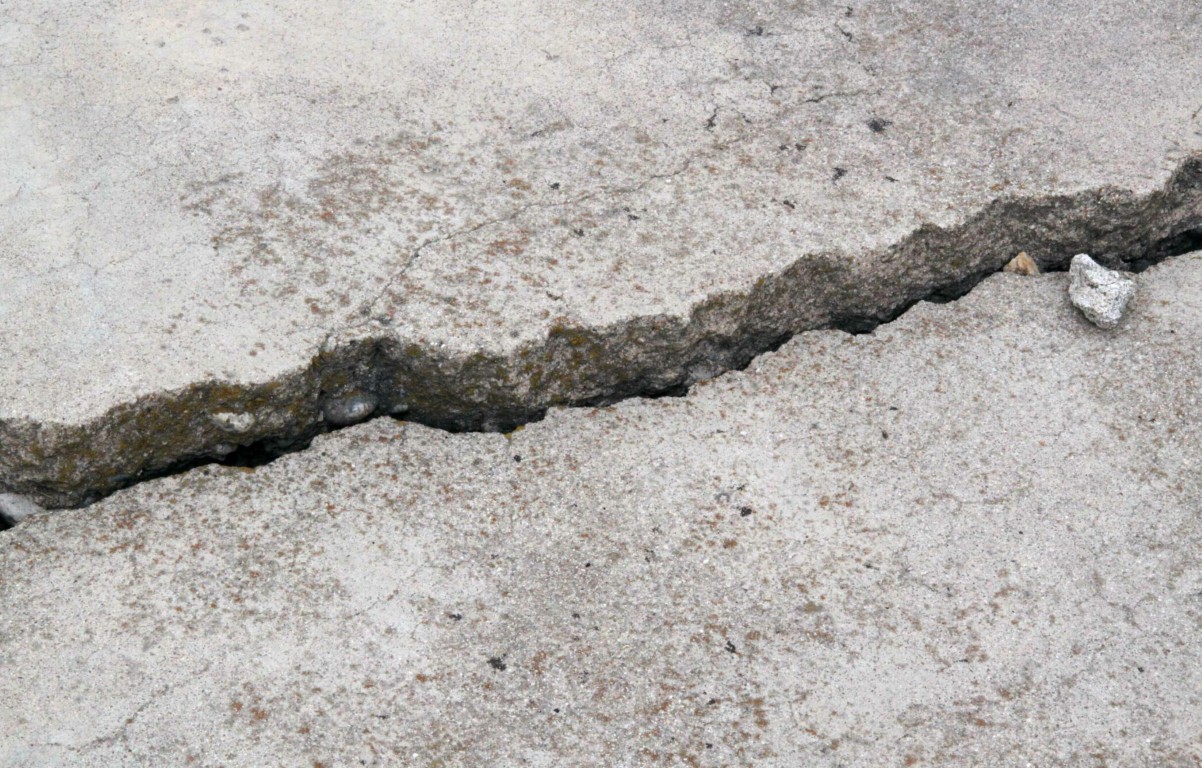
Concrete slabs settle and sink for several reasons. Soil beneath the concrete can wash away from poor drainage or underground water flow. The base material may not have been compacted properly during installation. Soil can compress under the weight of concrete and traffic. Tree roots can disturb soil and cause voids. Whatever the cause, sunken concrete creates problems that worsen over time if not addressed.
Uneven concrete surfaces create trip hazards that pose safety risks and liability concerns. Water pools on sunken areas instead of draining properly, which accelerates deterioration. Gaps form between slabs creating entry points for water that erodes more soil. The longer you wait to address settled concrete, the worse the problem becomes and the more expensive repairs get. Early intervention prevents minor settling from becoming major structural issues.
The good news is that concrete leveling offers an effective solution that costs far less than replacement. Modern leveling techniques can raise settled concrete back to its original position in hours rather than days. The process creates minimal disruption and lets you use the concrete almost immediately. For many settled concrete situations, leveling provides the perfect balance of effectiveness, speed, and value. This makes it an excellent option for homeowners throughout Plantation who want to fix concrete problems without the expense and hassle of complete replacement.
How We Lift and Level Your Concrete
Polyurethane Foam Injection
This modern method injects expanding polyurethane foam beneath settled concrete. Small holes about the size of a penny are drilled through the concrete surface. We inject foam that expands and hardens, filling voids and lifting the concrete. The foam weighs much less than traditional materials, adds no additional load to the soil, and cures quickly. Most jobs complete in just a few hours, and you can use the concrete the same day. This lightweight, strong material makes polyurethane injection the preferred choice for most residential applications.
Mudjacking
Also called slabjacking, this traditional method pumps a cement-based slurry beneath the concrete. Larger holes are required compared to foam injection, typically 2 inches in diameter. The slurry fills voids and hydraulic pressure lifts the slab. Mudjacking works well for heavy commercial applications or situations where the additional weight helps stability. It costs less than foam injection but requires larger holes, longer cure time, and adds more weight to the supporting soil. We recommend mudjacking for specific situations where its characteristics provide advantages.
Choosing the Right Method
We evaluate your specific situation to recommend the leveling method that makes most sense. Factors include how much the concrete has settled, the cause of settling, soil conditions, concrete thickness and condition, and your budget. Polyurethane foam works well for most residential driveways, sidewalks, patios, and garage floors. Mudjacking remains effective for certain applications. Sometimes a combination of methods produces optimal results. We explain your options clearly so you can make informed decisions.
What to Expect During Concrete Leveling
The leveling process begins with thorough evaluation. We measure how much the concrete has settled and identify what caused the settling. We check for cracks, assess concrete condition, and look for ongoing moisture or drainage issues that might affect long-term performance. This assessment determines whether leveling is appropriate or if other solutions would work better. We explain our findings and recommendations honestly.
The actual leveling work goes quickly compared to most concrete projects. Here is what happens during a typical polyurethane foam leveling job:
- Site preparation: We protect surrounding areas and mark injection locations based on the settlement pattern.
- Drilling: Small holes are drilled through the concrete at strategic locations. These holes provide access points for foam injection.
- Foam injection: We inject polyurethane foam in controlled amounts. The foam expands to fill voids and lift the concrete gradually to the desired level.
- Monitoring and adjustment: We constantly monitor the lift to ensure even raising without over-lifting. Precision matters for achieving level surfaces.
- Hole filling: Once lifting is complete, we fill injection holes with matching concrete for a clean finish.
- Cleanup: We remove all equipment and materials, leaving your property clean.
Most residential leveling projects complete in half a day or less. You can typically use the concrete within hours rather than waiting days for new concrete to cure. This speed and convenience make leveling attractive for busy homeowners who need quick solutions.
When Leveling Works Best
Concrete leveling excels for specific situations. It works great when concrete has settled but remains structurally sound. Driveways with settled sections, uneven sidewalks creating trip hazards, sunken patio slabs, and tilted garage floors all respond well to leveling. The concrete must be in good condition without severe cracking or deterioration. If settling resulted from one-time soil disturbance that has stabilized, leveling provides lasting results.
However, leveling has limitations. Severely cracked or damaged concrete may not be suitable candidates. If settling continues due to ongoing soil problems, leveling provides only temporary fixes. Very thin concrete or slabs with extensive damage need replacement rather than leveling. We evaluate these factors during our assessment and recommend leveling only when it makes sense technically and financially. Sometimes replacement truly is the better option, and we tell you so honestly.
The cost savings compared to replacement make leveling attractive when conditions are right. Leveling typically costs 50 to 70 percent less than removing and replacing concrete. There is no demolition, no heavy equipment tearing up your yard, and no waiting weeks for new concrete to cure. You also avoid the hassle of concrete removal and disposal. For appropriate situations, leveling delivers excellent results at a fraction of replacement costs. This value proposition makes it worth investigating for any settled concrete on your property, whether it is driveway sections, walkways, or other flatwork.
Common Questions About Concrete Leveling
Here are answers to questions property owners frequently ask about concrete leveling services.
Ready to Level Your Sunken Concrete?
Let's evaluate your settled concrete and provide a solution that saves you money. Call us for a free assessment.
(954) 289-9437